Strategic Location

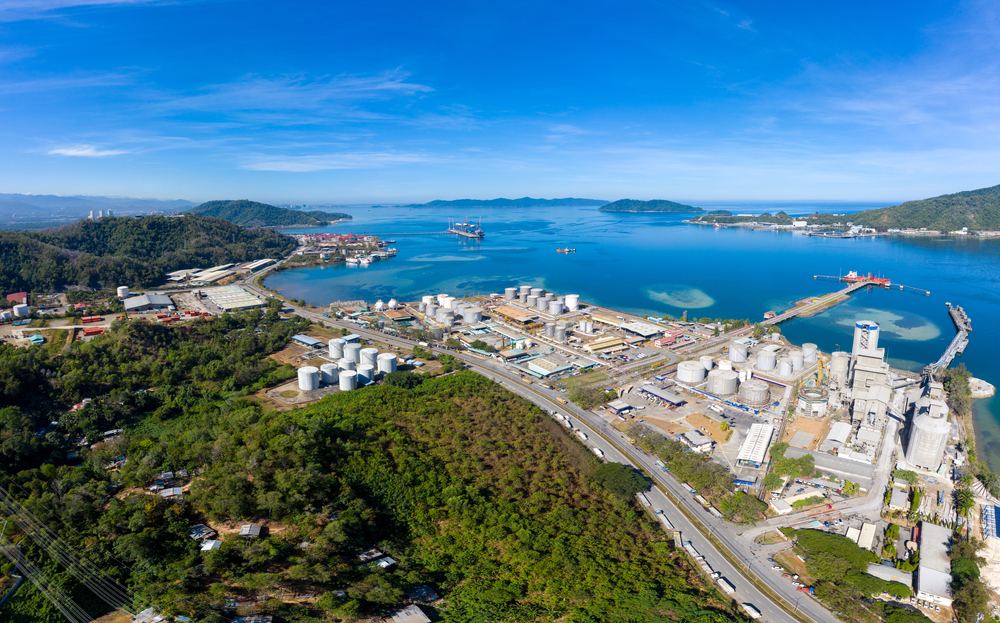
Limón, Costa Rica — positioned near the Moín port corridor on the Caribbean coast, with access to international logistics, potential subsea fiber connectivity, renewable power, and nearly two centuries of political stability.

Limón, Costa Rica — A Gateway for the Americas

The campus is located in Limón, near the Moín port corridor on Costa Rica's Caribbean coast. This positioning provides strategic access to Caribbean logistics and international trade infrastructure, and creates potential for subsea fiber cable and terrestrial connectivity routes serving AI training, inference, and cloud workloads across the Americas.

Costa Rica's political stability, renewable energy credentials, and proximity to the United States further strengthen the site's positioning for international AI infrastructure users evaluating deployment locations in the Americas.
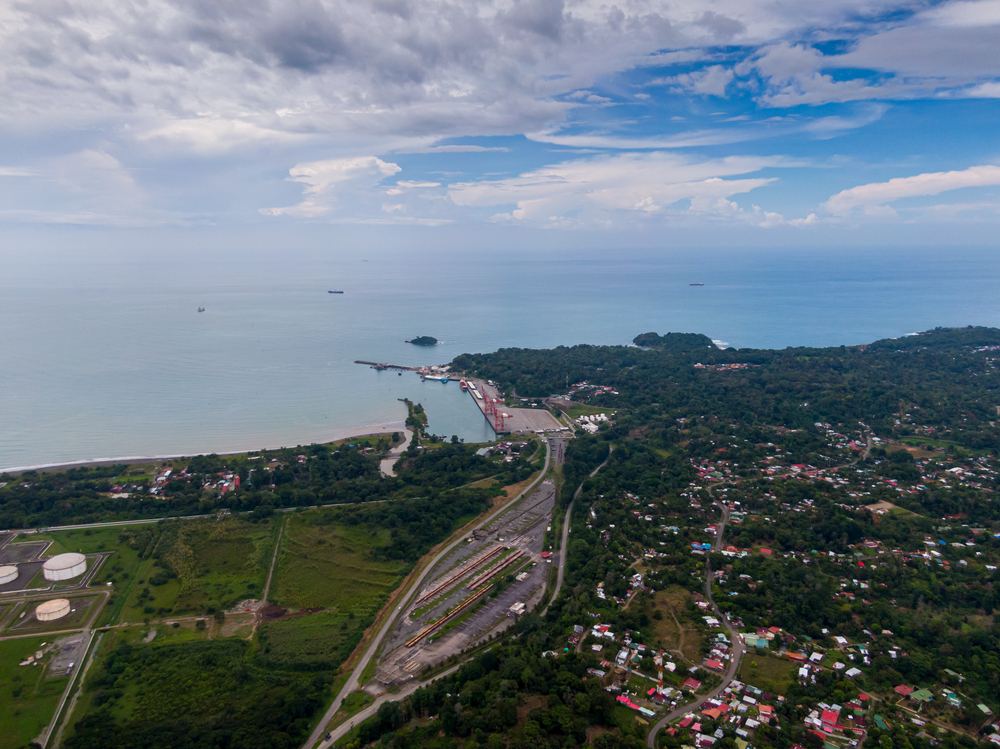
Limón / Moín Costa Rica Location Map

Moín Port Corridor Access

Direct proximity to the Moín port provides access to Caribbean logistics and international trade infrastructure, supporting equipment importation and service delivery across the Americas.

Political Stability

Nearly two centuries of democratic governance provide the long-term operating certainty that large-scale infrastructure investments require.
A Stable, Renewable, and Strategically Positioned Nation

Costa Rica has earned a reputation as one of Latin America's most stable, educated, and environmentally progressive nations. For AI infrastructure investors, this combination of political stability, renewable power, skilled workforce, and strategic geographic positioning creates a compelling long-term operating environment.

Costa Rica's commitment to democratic governance spans nearly two centuries — one of the longest continuous democratic traditions in the Western Hemisphere. This stability provides the long-term operating certainty that large-scale infrastructure investments require — reducing political risk and supporting investor confidence across multi-decade asset holding periods.

Costa Rica's renewable electricity profile is exceptional. The country consistently generates more than 99% of its electricity from hydroelectric, geothermal, wind, and solar sources. For AI data center operators with sustainability mandates, carbon accounting requirements, or ESG commitments, this renewable energy foundation is a meaningful operational and reputational advantage compared to locations dependent on fossil fuel generation.

Nearly 200 Years of Democracy

One of the longest continuous democratic traditions in the Western Hemisphere. Stable rule of law, reliable institutions, and a consistent track record of protecting foreign investment.

99%+ Renewable Electricity

Hydroelectric, geothermal, wind, and solar power provide the vast majority of Costa Rica's grid electricity — supporting clean energy commitments and sustainability goals for data center tenants.

Educated Workforce

Costa Rica has a literacy rate among the highest in Latin America and a growing technology sector producing skilled engineers, operators, and technical professionals.

Proximity to the United States

Approximately 2,700 km from Miami and 3 to 5 hours by air from major US cities, supporting operational management, site visits, and equipment logistics from North America.

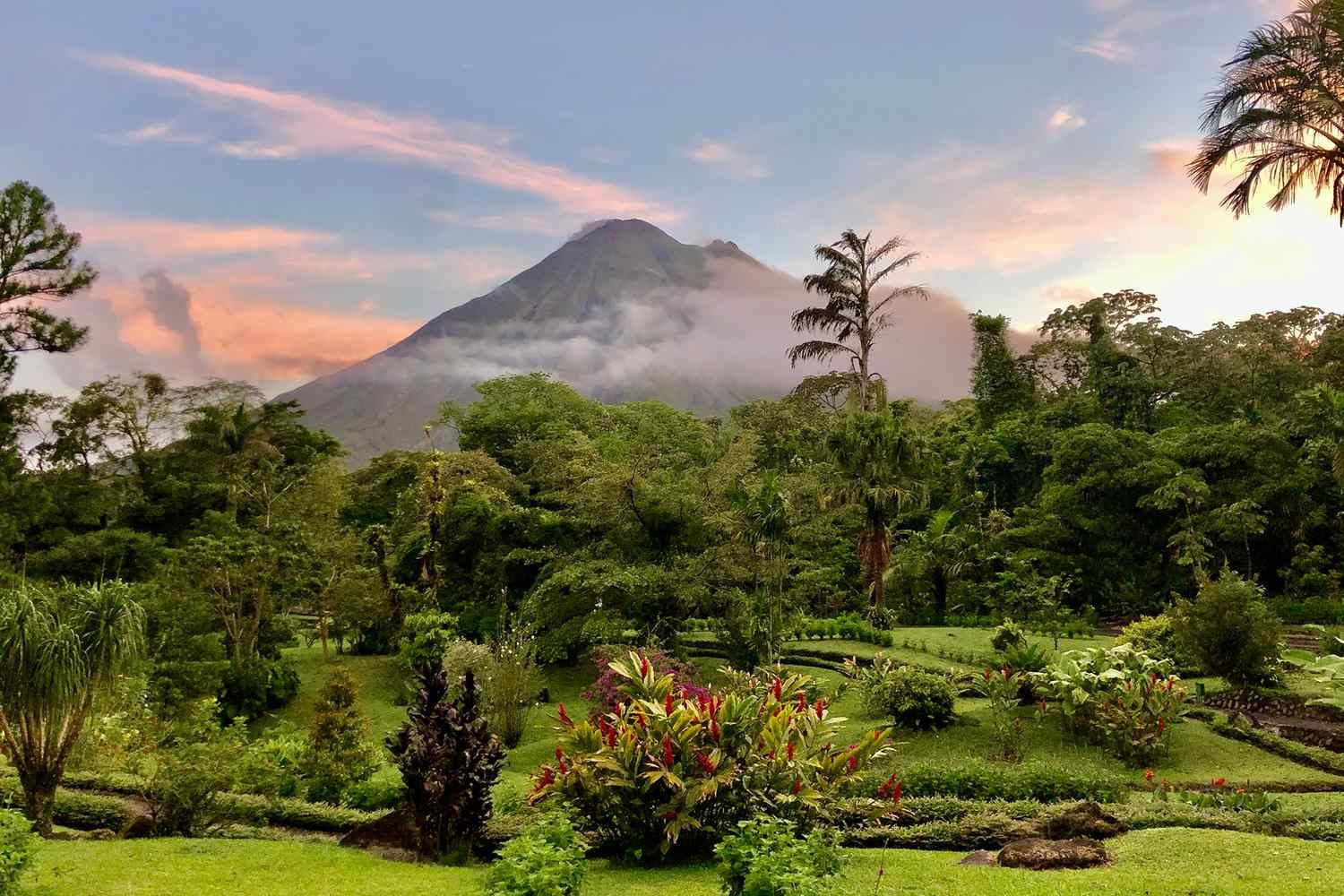
Arenal Volcano — Costa Rica Tropical Landscape at Sunset

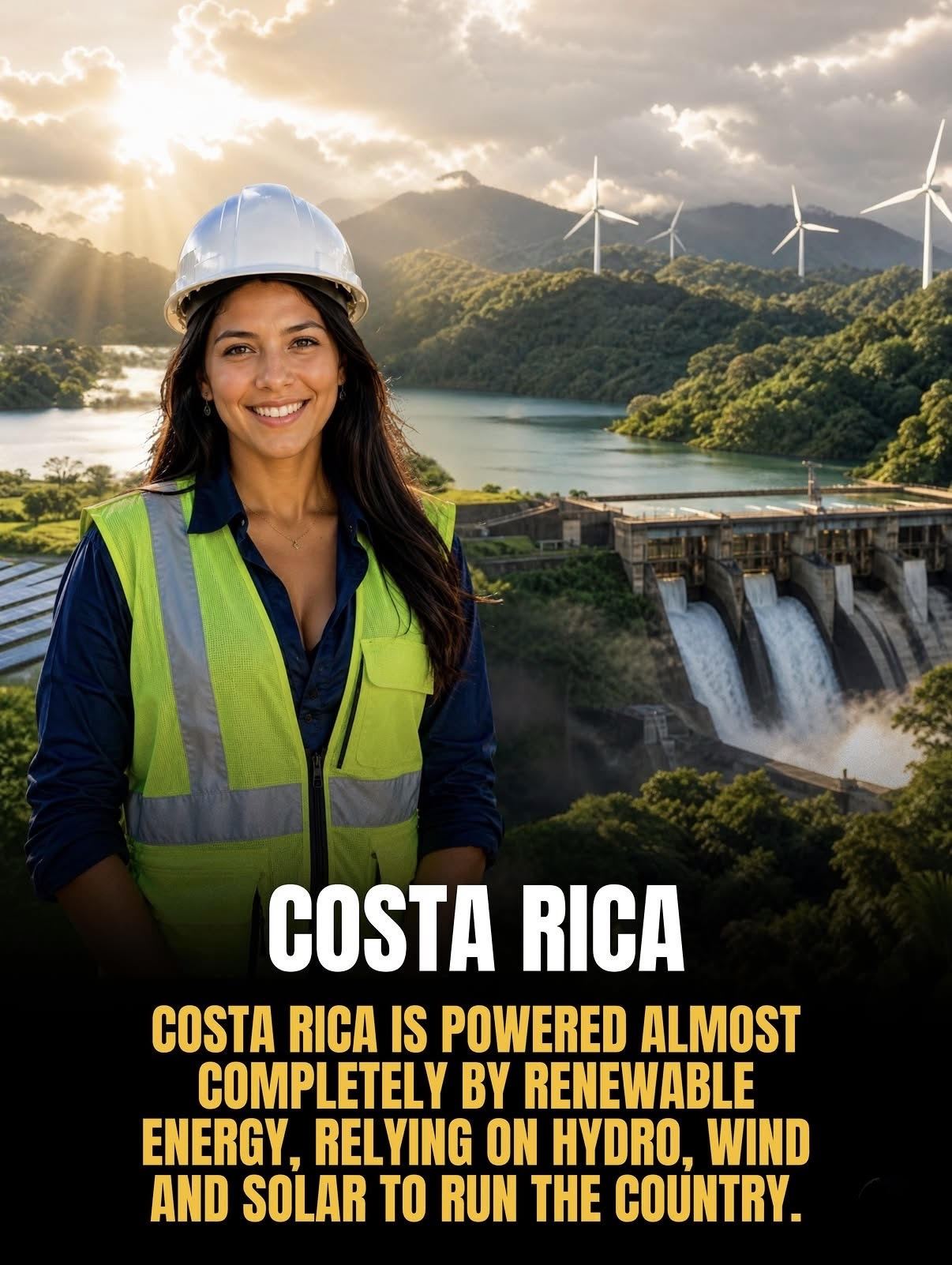
Costa Rica Runs on Clean Energy

Costa Rica is powered almost completely by renewable energy, drawing on hydroelectric dams, wind farms, geothermal plants, and solar installations to run the country. This exceptional clean energy profile is not incidental — it is the result of decades of environmental policy and investment that have positioned Costa Rica as a global leader in sustainable electricity generation.

For AI data center operators, this renewable energy foundation delivers a meaningful operational and reputational advantage. Sustainability mandates, carbon accounting requirements, and ESG commitments are increasingly central to enterprise infrastructure decisions — and a grid that is nearly 100% renewable by origin provides a strong foundation for meeting those requirements.

99%+
Renewable Electricity
Hydro, geothermal, wind & solar
0%
Fossil Fuel Generation
Consistent multi-year track record
Costa Rica Renewable Energy — Hydroelectric and Wind Power, Powered Almost Completely by Renewable Energy

Caribbean Coast Positioning

The Limón / Moín corridor provides strategic access to port infrastructure, international logistics, and potential fiber connectivity routes that directly support the operational and commercial requirements of a large-scale AI data center campus.

Moín Container Port Costa Rica

Moín Port Access

The APM Moín Container Terminal is one of the largest container port facilities in Central America, handling significant international cargo volume. Proximity to this terminal is a direct operational advantage for AI data center development — server racks, cooling systems, electrical switchgear, generators, and construction materials require large-volume international shipping logistics. The Moín port provides an efficient import pathway for all major equipment categories.

Within the Free Zone framework, equipment imported through the Moín port can benefit from duty exemptions and streamlined customs processes, further reducing the landed cost and time-to-deploy for technology infrastructure.

Caribbean logistics access  ·  Major container terminal  ·  Free Zone customs framework
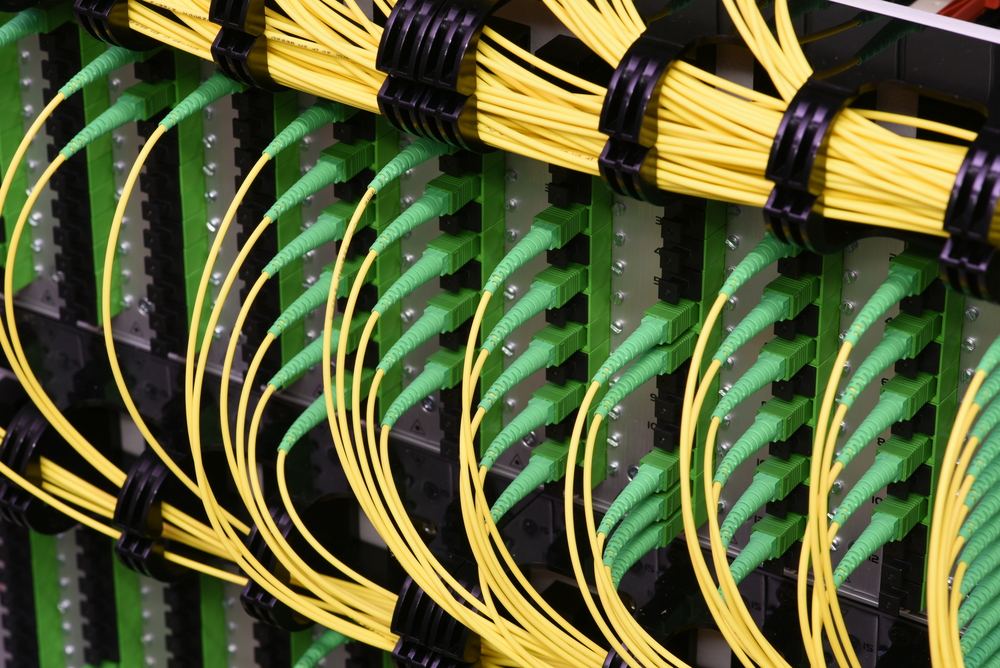
Subsea Fiber Caribbean Connectivity

Subsea & Terrestrial Fiber Potential

The Caribbean coast of Costa Rica offers potential access to subsea fiber cable systems connecting North America, South America, and Europe. The Limón / Moín corridor is positioned to serve as a potential cable landing point or fiber aggregation hub as Caribbean fiber infrastructure demand grows alongside AI compute deployments.

The campus location also supports access to terrestrial fiber routes connecting to San José and international backbone infrastructure. The dedicated Network / Fiber Zone aggregates carrier-neutral connections from multiple providers, ensuring tenants have competitive, redundant, and scalable network access.

Subsea cable access potential  ·  Terrestrial fiber routes  ·  Carrier-neutral aggregation
99%+
Renewable Electricity
Hydro, geothermal, wind, solar
~200
Years of Democracy
Stable rule of law
~2,700
km to Miami
Caribbean coast proximity
0%
Corp. Income Tax
Free Zone incentive period

See Why the Location Makes the Difference

The combination of Costa Rica's renewable power, the Moín port logistics advantage, potential Caribbean fiber connectivity, and the Free Zone economic framework creates a location story that conventional data center markets cannot replicate.