Five integrated infrastructure pillars — power, cooling, water, connectivity, and security — designed from the ground up to support mission-critical AI workloads at hyperscale.
Power reliability and cooling capacity are the most critical constraints for high-density AI data center operations. The Quantum AI Free Zone Campus is designed around a dedicated power infrastructure and AI-optimized cooling systems that can support the most demanding GPU cluster and liquid-cooled compute environments.
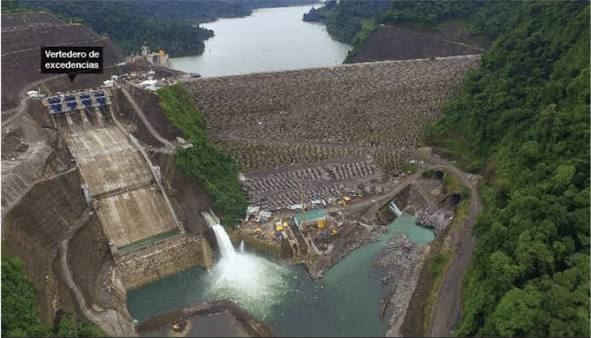
The campus is designed around a dedicated 230 kV on-site substation supporting up to 200 MW of AI data center load. Power is sourced primarily from Costa Rica's renewable energy grid, which consistently delivers over 99% renewable electricity from hydroelectric, geothermal, wind, and solar sources. On-site thermal backup generation supports mission-critical reliability requirements for AI training and inference environments.
The substation is designed from Phase 1 to support the full 200 MW campus load, eliminating the need for major electrical infrastructure reconstruction during Phase 2 and Phase 3 expansions — protecting Phase 1 tenants from operational disruption and providing confidence in long-term power delivery capacity.
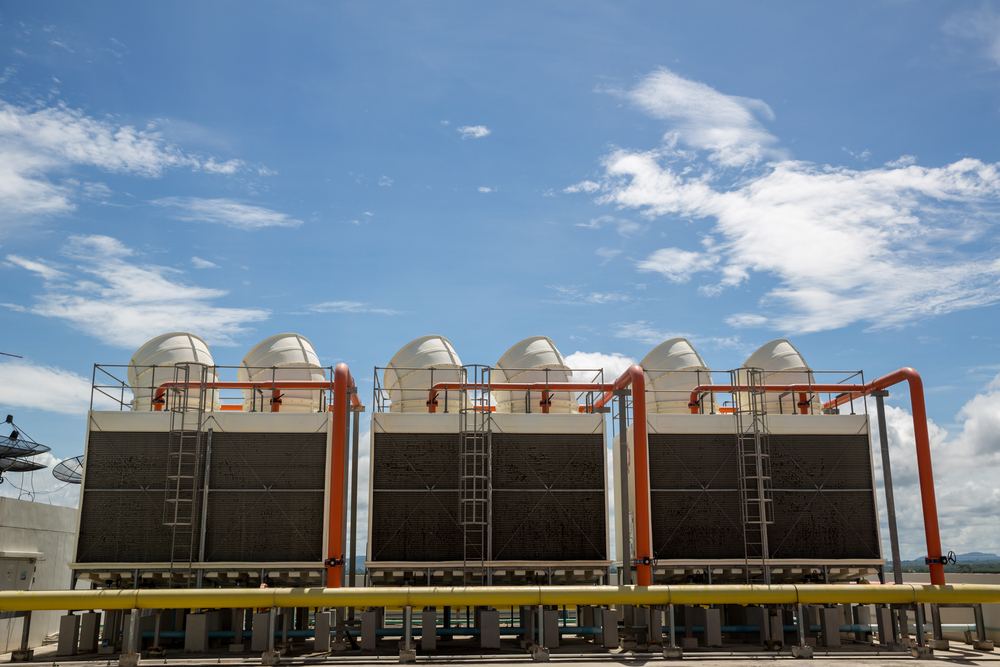
Two dedicated cooling plant areas and a cooling water zone are sized to support high-density AI workloads, including liquid-cooled GPU clusters, closed-loop cooling systems, and hybrid cooling configurations. The cooling infrastructure is designed with flexibility to evolve as tenant technology advances — accommodating next-generation GPU architectures, direct liquid cooling, and immersion cooling as they become standard AI infrastructure requirements.
The cooling water zone is a centralized management area physically separate from computing zones, improving operational control and reducing interference between cooling system maintenance and live tenant operations — a design that supports continuous GPU cluster uptime during scheduled maintenance windows.
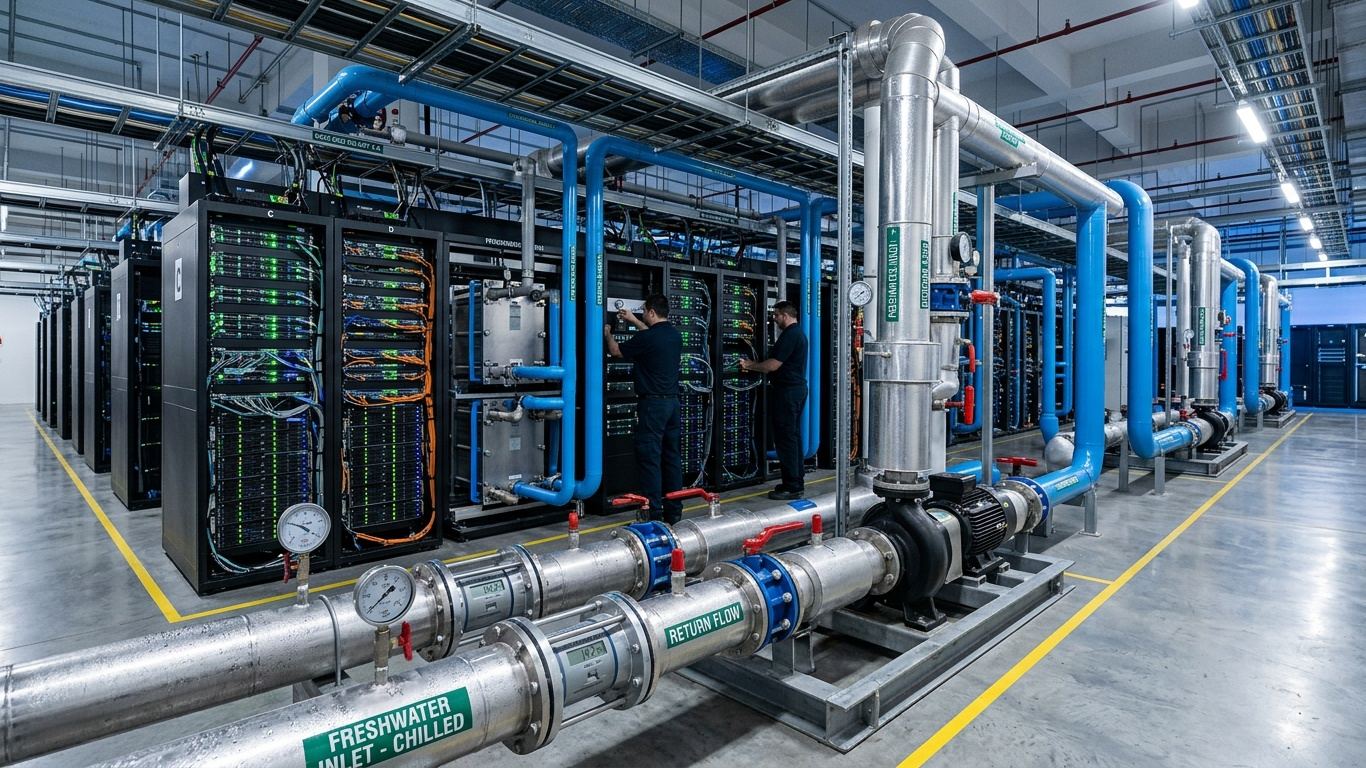
Water availability is a critical dependency for large-scale data center cooling. Carrier-neutral connectivity is equally essential for AI training, inference, and cloud workloads that require low-latency international network access. Both are addressed with dedicated, purpose-built infrastructure on the Quantum AI Free Zone Campus.
The campus water strategy is built around approximately 350 L/s of municipal water availability plus supplementary well water, supported by on-site water treatment, storage, pumping, and wastewater treatment. This approach provides meaningful redundancy, environmental control, and operating flexibility while supporting a responsible low-water-use cooling strategy.
The on-site wastewater treatment plant ensures the campus maintains full control over processing and environmental compliance. Dedicated storage provides operational buffer capacity for cooling system continuity during supply interruptions or maintenance events — supporting consistent AI workload operations.
A dedicated Network / Fiber Zone provides the framework for carrier-neutral connectivity with multiple fiber entry points and diverse network routing paths. Carrier neutrality ensures tenants can select preferred network providers, negotiate competitive pricing, and establish redundant paths appropriate for mission-critical AI training and inference workloads.
The campus's Caribbean coast positioning creates potential access to subsea fiber systems and multiple terrestrial fiber routes connecting to San José and international backbone infrastructure. Redundant routing potential reduces single-point-of-failure risk at the network level.
The fifth infrastructure pillar — secure campus operations — encompasses controlled access, 24/7 manned operations, monitored internal circulation, and clear physical separation between tenant compute zones and utility infrastructure areas.
The campus infrastructure is designed around three core engineering principles that govern every aspect of the build:
Critical systems are designed with N+1 or better redundancy to support the uptime requirements of mission-critical AI training, inference, and enterprise HPC workloads. Power, cooling, water, and network systems are all designed with redundant pathways.
Infrastructure is sized for the full 200 MW campus from Phase 1. Each subsequent phase expansion connects to the existing backbone without requiring the rebuilding of shared systems — protecting Phase 1 tenants from operational disruption during expansion.
Security is organized around controlled entry, monitored access, secure internal circulation, and 24/7 campus operations. The planned layout separates customer compute areas from utility, water, wastewater, and network infrastructure, improving operational resilience and tenant control.
Whether you need liquid-cooled GPU cluster capacity, dedicated fiber routing, or specific redundancy configurations, the Quantum AI Free Zone Campus team can discuss how the campus infrastructure aligns with your technical requirements.